Costs
Why did I get different offers for my gold and silver?
Two gold buyers can make different offers for the same items because they may assess purity, weight, condition, and resale potential in different ways.
· 3 min read · POP'S GOLD & SILVER
The short answer
The short answer
Different offers usually come from differences in how the items are classified, tested, and valued. The main factors are metal type, purity, weight, condition, and whether the item is treated as scrap, jewelry, a coin, bullion, or a watch.
The metal content is only one part of the assessment
Gold and silver items can contain different amounts of precious metal. Purity and weight affect the metal value, so two pieces that look similar may not produce the same offer.
The item also needs to be identified correctly. Gold jewelry, broken gold, sterling silver, silver items, platinum, coins, and bullion are not all assessed in the same way. A clear evaluation should explain what each item is and which details were used.
Jewelry and scrap may be valued differently
A broken chain or damaged piece may be assessed mainly for its metal content. A wearable piece of fine jewelry may be considered differently because its design and condition can affect how it is handled.
The same distinction can apply to coins, bullion, and watches. A buyer may assess a gold or silver coin, a bullion item, or a luxury watch based on more than its raw metal content. Ask whether the offer is for the item as a whole or for its scrap value.
Why two buyers can reach different numbers
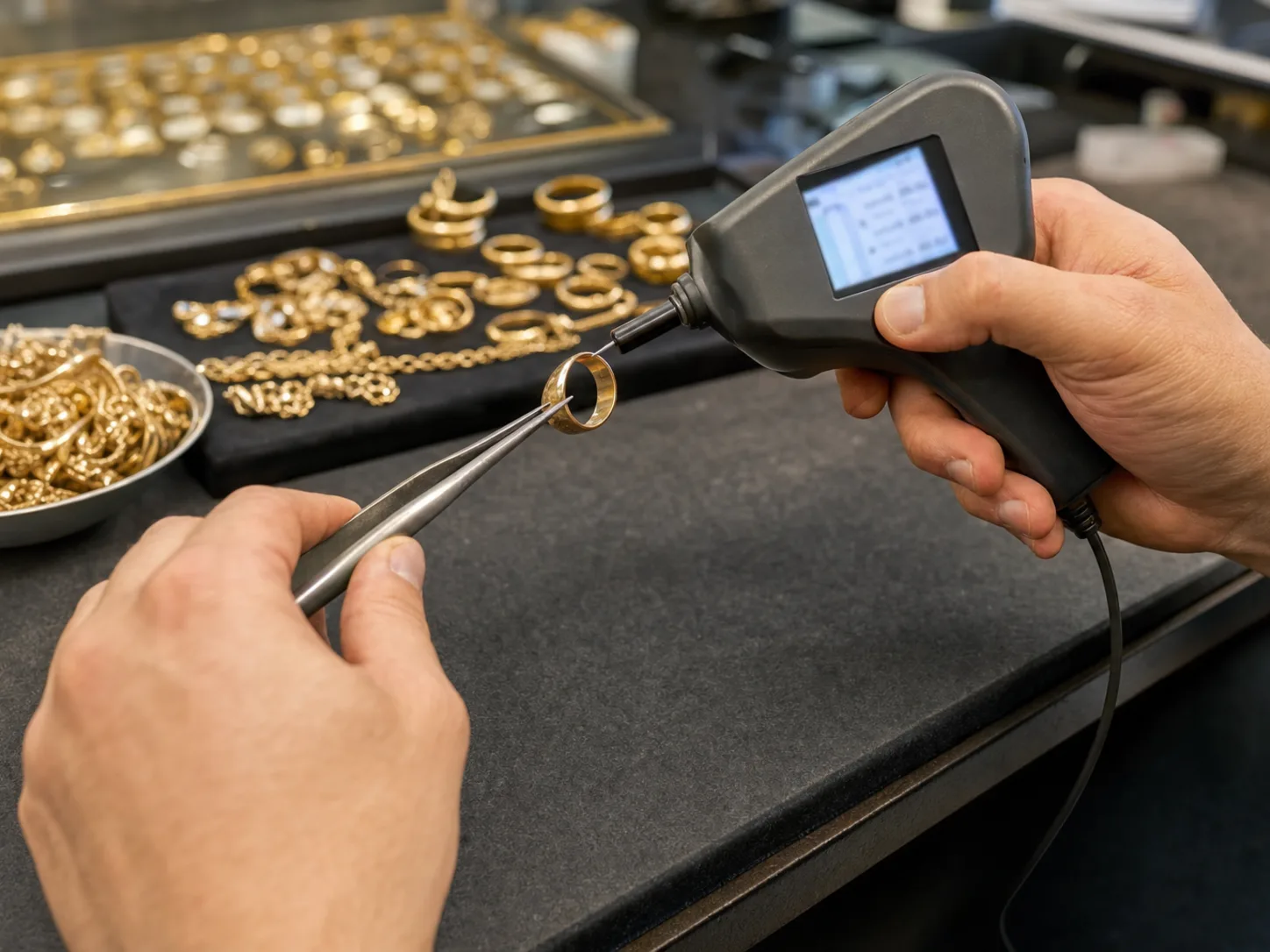
Buyers may use different testing methods, classifications, and buying prices when they evaluate the same items. One may separate several pieces by metal and purity, while another may group them together or treat everything as scrap.
An offer can also differ when one buyer recognizes a category such as fine jewelry, bullion, or a watch and another does not. That does not make either number self-explanatory. Request a breakdown so you can see how the buyer arrived at it.
What to ask before accepting an offer
Ask for the weight, purity, category, and value used for each group of items. If you are selling gold, silver, platinum, jewelry, coins, bullion, or watches together, ask whether each type was evaluated separately.
You can then compare evaluations on the same basis instead of comparing one total with another total. In Houston, a gold buyer should be able to explain whether the offer reflects metal content, the item itself, or both.
Why can two gold buyers offer different amounts for the same jewelry?
They may assign different purity or weight, classify the jewelry differently, or assess it as scrap instead of as a piece of jewelry. Ask each buyer for the basis of the offer.
Is broken gold worth less than intact gold?
It may be handled differently because broken jewelry is often assessed mainly for its metal content. Purity and weight still matter, and the buyer should explain how the item was evaluated.
What should I compare when reviewing gold and silver offers?
Compare the item categories, purity, weight, and whether the buyer included jewelry, coin, bullion, watch, or scrap value. A written or clearly explained breakdown makes the offers easier to compare.
Keep reading
More from the blog.
How should I prepare to sell gold and silver?
A clear inventory makes it easier to decide what you want evaluated and what you may want to sell. Here is what to sort, note, and confirm before arranging a visit.
Read the postWhat should I do with broken gold jewelry?
Loose clasps, bent links, and separated chains can become bigger problems when they are ignored. Learn when to stop wearing damaged gold jewelry and what options you have for it.
Read the postAll gold and silver services
What we do, what it costs, and how each visit actually goes.
Browse servicesHave gold or silver?
Get a free evaluation.
Bring your gold or silver to POP'S GOLD & SILVER for a free evaluation. Cash is paid on the spot.